



research service
Statistical Analysis
Need help analysing laboratory results? Get professional statistical support.
Analyse Results →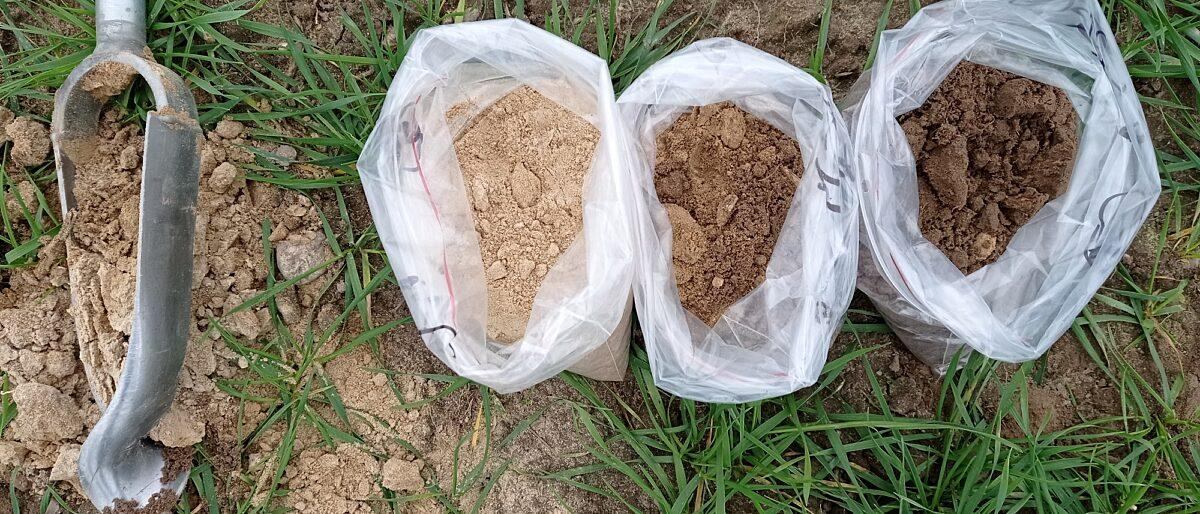
Lab: Allschoolabs Verified Lab · 10 day(s) estimated delivery · 9 views
For questions, please
.
We maintain strict confidentiality. We do not fabricate, alter, or manipulate results.
Healthy soil is the foundation of successful crop production, but soil appearance alone cannot reveal its nutrient content, acidity, salinity or capacity to support plant growth. Two farms located close to each other may have considerably different soil characteristics, which can influence fertilizer requirements, crop performance and agricultural productivity.
Our Comprehensive Soil Analysis with Report provides a detailed laboratory assessment of key physical and chemical soil properties. It is designed to help farmers, researchers, agronomists and agricultural organisations understand the condition of their soil and identify possible limitations to crop development.
Subject to confirmation by the testing laboratory, the comprehensive agricultural analysis package may include:
Soil pH: Determines the acidity or alkalinity of the soil and its potential influence on nutrient availability.
Electrical Conductivity (EC): Evaluates soluble salt levels and helps identify potential salinity concerns.
Organic Carbon and Organic Matter: Provides indicators of the soil's organic component and its contribution to soil fertility.
Total Nitrogen: Measures total nitrogen content as an important soil nutrient indicator.
Available Phosphorus: Assesses phosphorus potentially available for plant uptake.
Exchangeable Potassium: Evaluates an important nutrient involved in plant growth and physiological processes.
Exchangeable Calcium and Magnesium: Assesses important secondary plant nutrients and soil chemical properties.
Exchangeable Sodium: Supports the evaluation of sodium-related soil conditions.
Cation Exchange Capacity (CEC): Helps assess the soil's capacity to retain positively charged nutrient ions.
Base Saturation: Provides information about the proportion of exchange sites occupied by base-forming cations.
Soil Texture: Evaluates the proportions of sand, silt and clay, where included.
Selected Micronutrients: May include iron, zinc, manganese and copper, depending on the agreed analytical panel.
Upon completion, you receive a laboratory report presenting the measured parameters, analytical results, relevant units and interpretation of the findings. Where included in the agreed service, the report may provide practical observations on nutrient status, soil acidity, salinity and potential soil amendment needs.
This information can help you identify nutrient imbalances, make more informed fertilizer decisions, compare soil conditions between locations and monitor changes in soil fertility over time.
This service is appropriate for commercial and small-scale farmers, agricultural researchers, greenhouse operators, plantation managers, horticulturists, agricultural consultants, educational institutions and organisations conducting soil quality assessments.
Whether you are preparing farmland for a new planting season, investigating poor crop performance or evaluating soil conditions for an agricultural research project, laboratory testing provides a more reliable foundation for decision-making.
Important: This package is intended for agricultural soil fertility assessment. Heavy-metal contamination screening, pesticide residues, microbiological testing and geotechnical investigations for building foundations are separate services unless specifically included in a quotation.
The test price is ₦58,000. The amount shown on this page is the current test price before any eligible discount, delivery or collection charge.
The current estimated result delivery time is 10 days. Actual timing can depend on sample condition, preparation and laboratory workflow.
The sample requirement shown by the laboratory is: 50g.
Required sample quantity: Submit approximately 500 g to 1 kg of representative soil for each sampling location or composite sample, subject to the laboratory's confirmation. Sample collection: For routine surface agricultural soil testing, collect soil from approximately 0–15 cm or 0–20 cm depth, depending on the crop and sampling plan. Composite sampling: Where appropriate, collect 10–15 small subsamples from different representative points within the same uniform field area. Mix thoroughly in a clean plastic container and retain approximately 500 g to 1 kg of the mixture. Separate locations: Do not mix soil from different farms, fields, unusual patches, soil types or management zones. Package each separately. Remove foreign materials: Remove large stones, roots, leaves and visible debris without discarding the representative fine soil fraction. Drying: For routine fertility analysis, spread damp soil thinly on a clean surface and allow it to air-dry at room temperature where appropriate. Avoid direct intense sunlight, ovens and excessive heat. Packaging: Place the soil in a new, clean, dry, properly sealed polyethylene sample bag or suitable laboratory-approved container. Labelling: Clearly label each sample with the sample identification code, farm or collection location, collection date, sampling depth and intended analysis. Secondary packaging: Place the sealed sample in an additional protective bag or sturdy container to prevent leakage or damage during transportation. Delivery: Deliver the sample to the designated laboratory or arrange sample pickup through AnalysisAfrica. Note: Samples requiring moisture, microbial, volatile contaminant or specialised chemical analysis may need different collection, preservation and packaging procedures. Obtain instructions before collecting such samples.
Allschoolabs currently accepts sample submission by Pickup from your location or Drop-off at a collection centre. Pickup areas currently listed in the booking database include Any Park around Ojuelegba - Yaba (Lagos, Nigeria), Any Park around Ota (Ogun State, Nigeria). Available collection centre information includes 104 Western Avenue; Suite C1, God's promise complex, Bells bus stop, Ota. Click the "Add to cart" button to continue booking and enter sample details.
Book this test, request pickup/drop-off, or ask the lab a question before payment.
Get Lab Materials Browse More TestsThese are optional related services. The appropriate next step depends on your project objective, methods and available data.
Need help analysing laboratory results? Get professional statistical support.
Analyse Results →Discuss the next technical step with a research specialist.
Get Consultation →Turn suitable research outputs into clear figures for reports or publications.
Create Figures →